

Is Your Aging Roof Ready for Winter?
A roof’s age can raise questions for homeowners, particularly as winter approaches. How much life does it have left? Are visible signs of wear a concern? Should repairs be considered, or is it time to plan for replacement?
Age alone cannot determine a roof’s condition. Installation, materials, ventilation, weather exposure, and previous repairs all play a role in how a roofing system ages.
In the Fredericksburg area, winter can bring freezing temperatures, rain, snow, ice, and changing weather conditions. These conditions can expose existing weaknesses in roofing materials and flashing. Understanding the roof’s current condition is an important part of deciding whether anything needs attention before winter.
How Winter Weather Can Affect an Aging Roof
Repeated freezing and thawing can affect areas of a roof where water is able to collect or enter. Wind-driven rain can also reach vulnerable areas around damaged shingles, flashing, and roof penetrations.
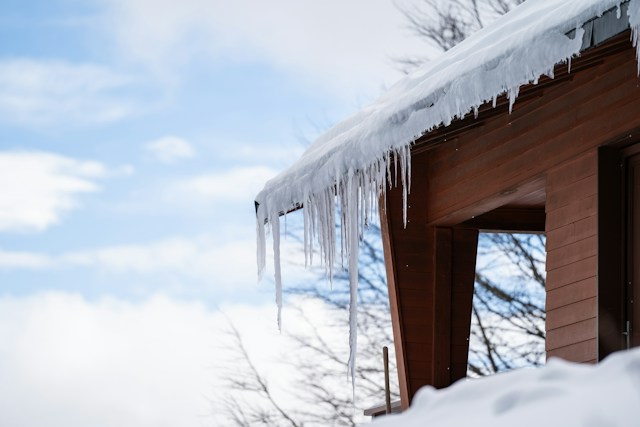
Ice dams are another winter concern. They can form when snow melts on warmer sections of a roof and refreezes near the colder eaves. Ice can then restrict drainage, allowing water to collect behind it and potentially move beneath roofing materials.
Ice dams are influenced by roof temperature, attic insulation, and ventilation. They are not exclusive to older roofs, but existing damage or deterioration may create additional vulnerabilities.
The condition of the roof, rather than its age alone, is important when considering how it may perform during winter weather.
How Roofs Age
Asphalt shingles are exposed to sunlight, wind, rain, and temperature changes throughout their service life. Over time, this exposure contributes to normal material deterioration.
The rate of aging varies from one roof to another. Installation quality, ventilation, roof design, surrounding trees, and exposure to storms can all affect the condition of roofing materials.
This is why two roofs installed in the same year may not be in the same condition. An installation date provides useful background, but it does not establish whether a roof needs repair or replacement.
Missing or damaged shingles, deteriorating flashing, and significant granule loss are examples of conditions that may warrant further evaluation. None of these signs, by itself, determines that a roof must be replaced.
What to Look at Before Winter
A roof evaluation before winter can provide information about its visible condition and any areas that may need attention.
An evaluation may include checking:
- Shingles for missing, loose, or damaged areas
- Flashing around roof transitions and penetrations
- Visible signs of storm-related damage
- Areas where previous repairs were made
The purpose is to assess the roof’s current condition, not to assume that an older roof needs replacement. If you have questions about your roof or have not had it evaluated recently, see our article on when it may be time for a roof inspection.
When Should Repair or Replacement Be Considered?
The decision depends on the extent of the damage and the overall condition of the roofing system.
A localized problem may be suitable for repair. When deterioration is widespread or multiple areas are affected, replacement may also need to be considered.
Previous repairs are one part of the roof’s history, but they do not automatically indicate a problem. Roofing materials can age at different rates, so the condition of the entire roof should be considered.
There is no single age at which every roof needs replacement. A professional evaluation can provide information to help homeowners understand the available options.
For more information, read Should You Repair or Replace Your Roof?.
Questions About Roof Age and Insurance
Homeowners sometimes have questions about insurance as their roofs get older. Coverage depends on the terms of the individual policy and the circumstances of a reported loss.
A roofing contractor can identify and document observable roof conditions, but cannot determine whether an insurance carrier will approve, deny, or partially cover a claim. Homeowners should direct coverage questions to their insurance provider or agent.
Planning Ahead
Knowing the condition of an aging roof before winter gives homeowners information to consider when deciding whether repairs or replacement should be planned.
It also provides an opportunity to review estimates, consider project costs, and look into financing options if needed.
An older roof does not automatically need to be replaced. Its condition, rather than age alone, should guide the decision.
Roof Works of Virginia has served Fredericksburg and surrounding communities for more than 27 years. We believe in neighbors helping neighbors. If you have questions about your roof, we would be happy to discuss your concerns and provide an estimate if work is needed.
How can we help you?
"*" indicates required fields