

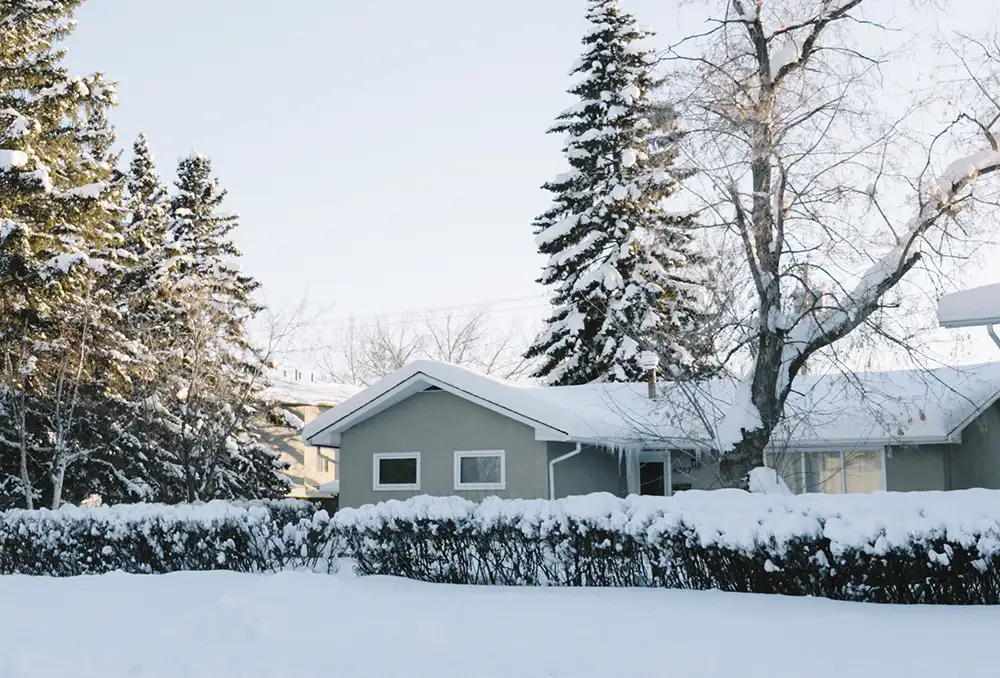
Winter in Virginia often brings unpredictable weather — freezing nights followed by warmer afternoons. While snow and ice may seem harmless once they melt away, these freeze–thaw cycles can quietly damage your roof and lead to leaks weeks later.
As our local homeowners in Fredericksburg, Spotsylvania, and Stafford County, and the team here at Roof Works know February is one of the most common times for hidden roof problems to reveal themselves.
How Freeze–Thaw Cycles Damage Your Roof
When temperatures drop below freezing, moisture trapped under shingles or around flashing can freeze and expand. As temperatures rise, that ice melts and leaves behind tiny gaps. Over time, this repeated expansion and contraction can loosen shingles, crack seals, and weaken roof materials.
Common areas affected include:
- Shingle edges and nail penetrations
- Chimney and vent flashing
- Valleys where water collects
- Gutters and downspouts
This damage may not be visible from the ground, but it can allow water to enter your attic or walls.
Why Leaks Often Show Up in February
Many homeowners are surprised when roof leaks appear after the coldest weather has passed. That’s because melting ice and heavy winter rain expose weak points created earlier in the season.
You may notice:
- Brown stains on ceilings or walls
- Dripping water during rain
- Musty attic smells
- Peeling paint or bubbling drywall
- Granules collecting in gutters
Homes in older Fredericksburg neighborhoods and tree-heavy areas are especially vulnerable due to aging shingles and clogged gutters.
Local Weather Makes a Difference
Unlike northern states with steady snow cover, the Fredericksburg area experiences frequent temperature swings. These rapid changes increase the stress on roofing materials and create ideal conditions for moisture intrusion.
Wind-driven rain and occasional ice buildup can also force water underneath shingles that would normally shed rain properly.
Why a Winter Roof Inspection Matters
A professional winter or early-spring roof inspection can uncover:
- Loose or missing shingles
- Cracked flashing
- Gutter blockages
- Early signs of rot or mold
- Minor leaks before they spread
Catching these issues now can prevent more costly repairs when spring storms arrive.
What You Can Check Safely From the Ground
Homeowners can look for warning signs without climbing onto the roof:
- Check ceilings for stains
- Look for sagging gutters
- Watch for dripping during rain
- Inspect downspouts for shingle granules
- Notice drafts or damp smells in attic spaces
If any of these appear, it’s time for a professional inspection.
Schedule a Local Roof Inspection This Winter
If your home has experienced freezing and thawing weather this winter, now is the right time to have your roof checked. Small problems found in February can save thousands in repairs later in the year.
Roof Works of VA provides professional roof inspections and repairs for homeowners in Fredericksburg and surrounding areas.
Call 540-786-4552 to schedule a winter roof inspection and get peace of mind before spring storms arrive.
Frequently Asked Questions:
How often should a roof be inspected in Virginia?
At least once per year and after major storms or freezing weather events.
Can freezing weather cause roof leaks without snow?
Yes. Freeze–thaw cycles alone can damage flashing and shingle seals even without heavy snow.
Are winter roof leaks covered by insurance?
Many policies cover sudden damage caused by weather, but documentation and inspection are important.
What areas of the roof fail most in winter?
Flashing, valleys, and gutters are the most common failure points during winter months.
How can we help you?
"*" indicates required fields